Keep yourself and your property safe this spring with ladder safety guidance and tips from experts you can rely on.
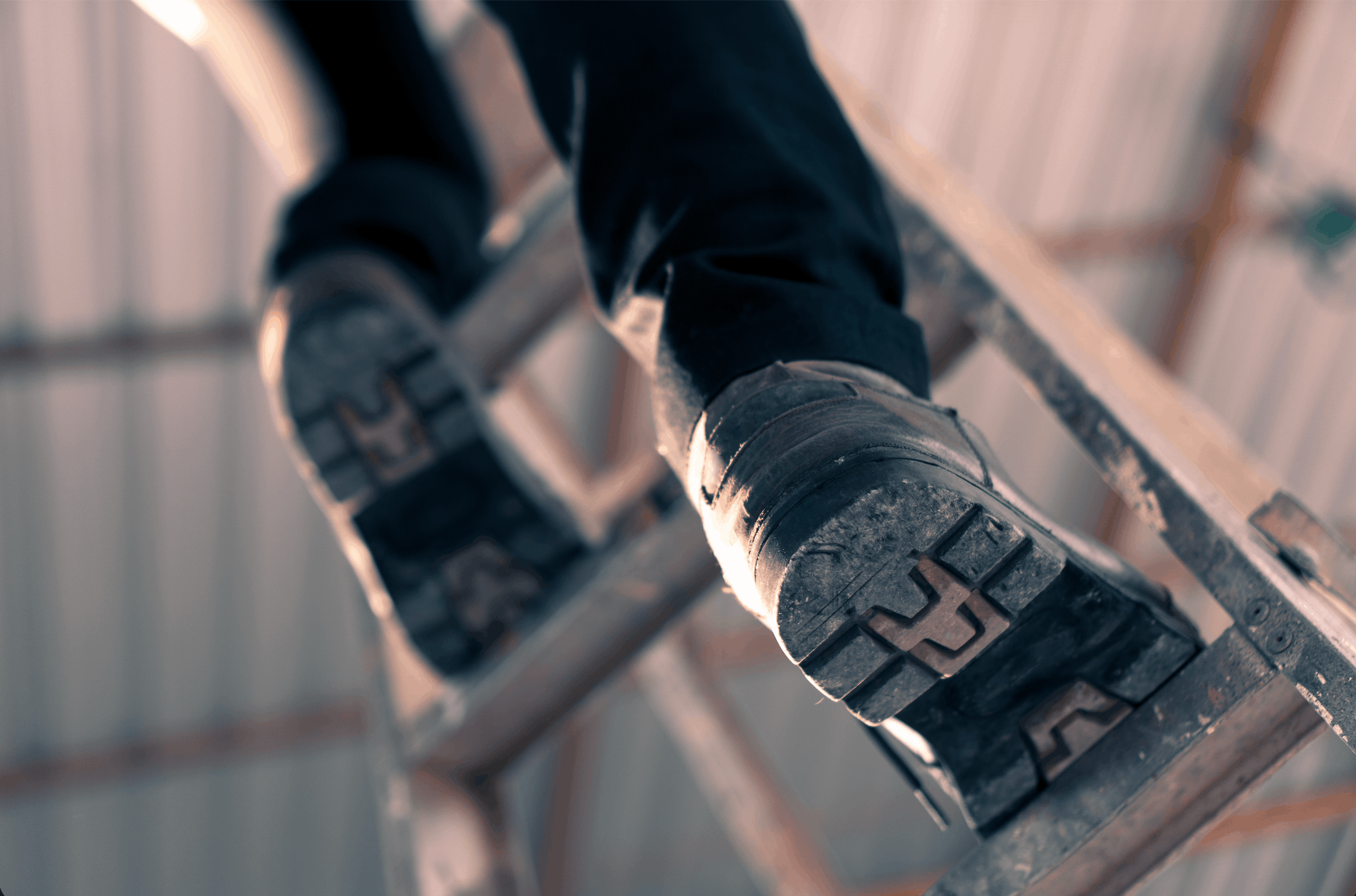
March is National Ladder Safety Month, and it’s a great reminder of how important it is to use ladders properly to avoid falls and injuries. At Morley Roofing, we know ladders are essential tools, whether we’re up on your roof or you’re tackling projects around the house. But used the wrong way, ladders can be dangerous. That’s why safety is built into everything we do. Whether you’re planning professional roofing work or just doing a quick home repair, understanding basic ladder safety can keep you and your family safe.
Falls from ladders are one of the most common causes of injuries, both in professional roofing and at home. Many accidents happen because the ladder isn’t right for the job, isn’t set up properly, or because people climb in unsafe ways. When you’re working on a roof, having a stable way to get up and down is crucial. A ladder that’s too short, not placed on solid ground, or left unsecured, can slip unexpectedly, and that’s when injuries happen. Here are some tips from our experts on using the right types of ladders and using them safely.
Tip #1: Picking the right ladder
Start by choosing the ladder that fits the job, and make sure that it fits the need vs choosing what is convenient For roofing and exterior work, an extension ladder is usually the way to go. Make sure it extends at least three feet above the roof’s edge so you have a safe place to step on and off. Also, check the ladder’s duty rating; it should support your weight plus the tools you’re carrying. Before each use, take a moment to check for any damage or other issues so that you eliminate fall risks. Strong decision making is important when working with heights, so if you are impaired in any way (lack of sleep, prior injury, etc.) postpone your project.
Tip #2: How to climb and work safely
One major scenario that people tend to forget in the moment is making sure your ladder is set on firm/level ground, and securing the ladder so it doesn't shift and move. The best way to do this is to keep three points of contact with the ladder at all times: two hands and one foot, or two feet and one hand. Using a tool belt or hoisting tools to move tools can also help keep your balance as well as maintain your points of contact at all times.
Tip #3: Ladder safety at home and on the job
Many ladder injuries happen during everyday home projects. Uneven ground, wind or rain, and nearby power lines add to the risks. That’s why our Morley Roofing crews follow strict safety steps on every job to keep our team and your property safe. Although DIY work around the home can seem straightforward, it’s important to recognize the risks involved. Homeowners should be mindful of fall risks, outdated or improperly rated equipment, and environmental hazards that can increase the chance of injury.
.png)